
Gardening in spring often brings a sense of renewal and excitement. Yet, cold weather can slow down the planting season, testing the patience and adaptability of gardeners. Despite these challenges, many are finding ways to keep their gardens moving forward, planting carefully and eagerly awaiting the first signs of growth and harvest. This post explores practical strategies to overcome cold weather delays and build a thriving garden that can withstand unpredictable spring conditions.
Understanding the Impact of Cold Weather on Spring Planting
Cold weather affects soil temperature, seed germination, and plant growth. When soil remains too cold, seeds may rot or fail to sprout, and young plants can suffer frost damage. This slows down the entire planting schedule and can reduce the overall yield of the garden.
Gardeners often face:
-
Delayed seed starting and transplanting
-
Increased risk of frost damage to seedlings
-
Slower growth rates due to low soil temperatures
Recognizing these challenges early helps gardeners adjust their plans and protect their plants effectively.
Choosing Cold-Tolerant Crops and Varieties
One way to cope with cold spring weather is to select crops that tolerate or even thrive in cooler conditions. Some vegetables and herbs can handle lower temperatures better than others.
Consider planting:
-
Leafy greens like spinach, kale, and Swiss chard
-
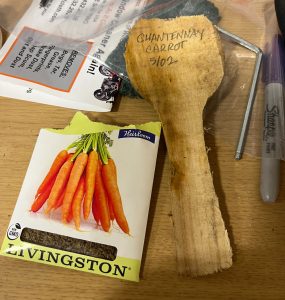
Root vegetables such as carrots, radishes, and beets
-
Peas and broccoli, which can withstand light frosts
-
Herbs like parsley and cilantro that prefer cooler weather
Choosing the right varieties within these crops also matters. Look for seeds labeled as cold-hardy or early-season varieties to improve success rates.
Preparing the Soil for Cold Weather Planting
Cold soil can delay germination and stunt young plants. Preparing the soil properly can help warm it up faster and improve conditions for seeds.
Tips for soil preparation include:
-
Using raised beds to improve drainage and soil warmth
-
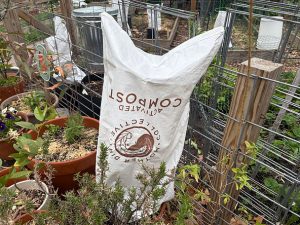
Adding organic matter like compost to increase soil fertility and heat retention
-
Covering soil with black plastic or row covers to trap heat and protect from frost
-
Avoiding heavy tilling when soil is wet or frozen to prevent compaction
These steps create a better environment for seeds to sprout and roots to establish.
Starting Seeds Indoors and Transplanting Carefully
To get a head start on the growing season, many gardeners begin seeds indoors. This protects young plants from cold outdoor conditions and allows for controlled growth.
Key points for indoor seed starting:
-
Use seed trays or pots with quality seed-starting mix
-
Provide adequate light with grow lights or sunny windows
-
Maintain consistent warmth, ideally between 65-75°F (18-24°C)
-
Harden off seedlings by gradually exposing them to outdoor conditions before transplanting
Using Protective Covers to Extend the Growing Season
Protective covers can shield plants from frost, wind, and cold temperatures, allowing gardeners to plant earlier and extend the growing season.
Options include:
-
Row covers: Lightweight fabric that lets light and water through while providing frost protection
-
Cold frames: Small, transparent enclosures that trap heat and protect seedlings
-
Cloches: Individual plant covers made from plastic or glass
Using these tools strategically helps reduce weather-related stress and supports steady growth.
Watering and Feeding During Cold Weather
Cold weather slows plant metabolism, so watering and feeding need to be adjusted accordingly.
Guidelines for watering and feeding:
-
Water plants early in the day to allow foliage to dry before nightfall, reducing disease risk
-
Avoid overwatering, as cold soil holds moisture longer and can cause root rot
-
Use diluted, balanced fertilizers to support slow but steady growth
-
Apply mulch to conserve soil moisture and moderate temperature fluctuations
Proper care during cold spells helps plants stay healthy and ready to grow vigorously when warmer weather arrives.
Monitoring Weather and Adjusting Plans
Staying informed about local weather forecasts allows gardeners to plan planting and protection measures effectively.
Practical steps include:
-
Tracking frost dates and temperature trends
-
Delaying planting if a hard freeze is expected
-
Moving portable plants indoors or under shelter during cold nights
-
Adjusting watering and feeding schedules based on weather conditions
Flexibility and vigilance help gardeners respond quickly to changing conditions and protect their crops.
Celebrating Small Wins and Staying Patient
Gardening in cold spring weather requires patience and resilience. Progress may be slower, but every sprout and leaf is a sign of success.
Tips to stay motivated:
-
Keep a gardening journal to track planting dates, weather, and plant progress
-
Share experiences and advice with local gardening groups or online communities
-
Focus on crops that show early growth to build confidence
-
Plan for succession planting to maintain a steady harvest later in the season
Remember, gardening is a journey. Delays do not mean failure but an opportunity to learn and adapt.